Christmas Cat Embroidery: A Designer's Practical Review
As a designer who has spent years navigating the intersection of digital files and physical thread, I approach every new machine embroidery design with a specific set of questions. Will it stitch out cleanly? Does it hold up on textured fabrics? Most importantly, will a customer actually want to wear or display this finished product? When I first opened the file for the Christmas Cat Embroidery, my initial reaction was one of curiosity mixed with caution. The title suggests a festive feline theme, yet the accompanying description speaks of white daisies, yellow centers, and green leaves. This discrepancy is the first hurdle any serious crafter must clear before committing to a project.
First Impressions: Visual Mood and Design Intent
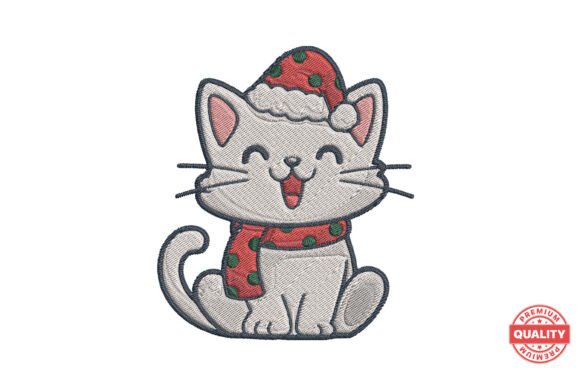
The visual personality of this design hinges entirely on how you interpret the assets provided. If the file truly delivers a whimsical cat motif wrapped in holiday cheer, it immediately evokes a sense of cozy nostalgia. However, if the design leans heavily into the floral elements described—those cheerful yellow centers and soft white petals—the mood shifts toward a lighter, spring-like aesthetic that might feel slightly off-key for a strict Christmas collection. For an Etsy seller or boutique owner, brand consistency is everything. You need a design that screams "holiday" without needing a label to explain it.
In my experience, the most successful holiday embroidery designs balance detail with clarity. They need to look crisp on a sweatshirt but also maintain their charm when shrunk down for a cap. The Christmas Cat Embroidery appears to offer a distinct character, likely relying on a mix of fill stitch for the body and satin stitch for outlines or facial features. The challenge lies in whether the density of these stitches allows for proper fabric breathability and whether the color palette translates well across different background materials.
Real-World Application: From File to Finished Product
Let’s walk through a realistic scenario. Imagine you are preparing a run of custom embroidered tote bags for a local craft fair. You have chosen a sturdy canvas material, which is forgiving but can sometimes hide fine details if the stitch density is too low. As I visualize the Christmas Cat Embroidery stitched onto this bag, I am considering the placement. Would it work best centered on the front panel, or perhaps smaller near the handle attachment?
If this design includes intricate fur textures or delicate floral petals as suggested by the description, placing it on a tote bag requires careful consideration of the hoop size. Large hoops can distort the shape of a tote, while small hoops might cut off essential parts of the composition. For custom apparel like sweatshirts, the stretchiness of the knit fabric demands a robust stabilizer. Without proper backing, even the most beautiful design can pucker or warp after the first wash. This is where the practical value of testing comes in. Before selling a single item, I would always test the embroidery file on a scrap piece of the exact same fabric intended for the final product.
Consider also the application on baby items. Parents love personalized gifts, and a cute cat motif fits perfectly for nursery decor or a holiday onesie. However, for baby embroidery, safety and comfort are paramount. The back of the design must be smooth. If the Christmas Cat Embroidery relies heavily on thick layers of fill stitch, it could become stiff and uncomfortable against a baby's skin. In such cases, reducing the density or opting for a lighter running stitch outline might be necessary to maintain the softness of the garment.
Where Caution Is Required
Not every design works everywhere, and the Christmas Cat Embroidery is no exception. There are specific scenarios where this design might struggle. On dark fabrics, the white petals and yellow centers mentioned in the description will require significant underlay stitching to prevent the black background from showing through. If the design lacks a built-in underlay layer, you will need to add one manually in your digitizing software to ensure vibrant colors.
Textured fabrics like corduroy or heavy fleece can also be tricky. The raised texture of the fabric can interfere with the needle path, potentially causing skipped stitches or uneven tension. Additionally, curved surfaces like caps present a unique challenge. The brim of a hat limits the available hoop space, often requiring the design to be split or resized. If the Christmas Cat Embroidery has long, sweeping lines or tall vertical elements, it may not fit comfortably on a standard 4x4 inch cap hoop without distortion.
Another area of concern is frequent washing. Items like kitchen towels or aprons undergo rigorous cleaning cycles. High-density areas in the design can trap soap and water, leading to mildew or thread degradation over time. If you plan to use this design for commercial embroidery products that will see heavy use, inspect the stitch count and density closely. Thinner threads and lower density might yield a more durable finished product.
Enhancing Value and Customer Trust
For a small business owner, the quality of your embroidery directly impacts customer trust. A clean, professional-looking embroidered patch or logo elevates the perceived value of your handmade goods. The Christmas Cat Embroidery has the potential to be a standout piece if executed correctly. Its whimsical nature appeals to a broad audience, making it a versatile asset for holiday gift guides or seasonal collections.
However, visual appeal is only half the battle. The other half is presentation. When creating printable mockups for your online shop, ensure you show the design on various backgrounds. A design that looks great on white cotton might disappear on grey heather. By showcasing the versatility of the digital embroidery file, you help customers visualize the end result, increasing engagement and conversion rates.
Furthermore, consider the licensing terms. Are you allowed to sell the finished items? Can you sell the embroidery file itself? These are critical questions for any craft business. Always confirm the usage rights before launching a product line. Selling unauthorized designs can lead to legal issues and damage your reputation. Ensure that the design assets you purchase align with your business model, whether you are making one-off personalized gifts or mass-producing small shop products.
Practical Designer Notes for Success
To get the most out of the Christmas Cat Embroidery, follow these practical steps:
- Test on Scrap Fabric: Never skip this step. Stitch out the design on a piece of your intended fabric to check for puckering, thread breaks, or registration issues.
- Check Thread Contrast: Verify that the thread colors pop against your chosen fabric. White on light gray, for example, might lack definition without a contrasting underlay.
- Review Stitch Density: If the design feels too dense, try reducing the number of passes in the fill areas to improve flexibility and reduce bulk.
- Confirm Hoop Size: Measure the design dimensions against your machine's maximum hoop capacity. Resizing can alter the aspect ratio and ruin the composition.
- Inspect Small Details: Zoom in on the eyes, whiskers, or petal edges. Tiny details can get lost if the stitch count is too high for the fabric type.
- Use Proper Stabilizer: Invest in a good quality tear-away or cut-away stabilizer depending on the fabric weight. This is crucial for maintaining the integrity of the applique design or detailed fill areas.
- Compare Light and Dark Backgrounds: Test the design on both light and dark swatches to ensure it translates well across your entire product range.
- Verify Licensing: Double-check the terms of use for commercial applications before listing items for sale.
In conclusion, the Christmas Cat Embroidery offers a charming opportunity to add personality to your holiday projects. Whether you are decorating a sweatshirt, creating a personalized gift, or stocking your boutique shelves, success depends on thoughtful preparation and execution. By understanding the strengths and limitations of the design, you can create high-quality, professional-looking products that delight your customers and stand the test of time.