Abstract Color Flow Embroidery Art Review
As a professional embroidery designer who has spent years navigating the landscape of digital design assets, I constantly search for files that bridge the gap between artistic vision and machine execution. Recently, I came across Abstract Color Flow Embroidery Art on Creative Fabrica. This design immediately caught my eye as a potential centerpiece for a new line of modern custom apparel. Before integrating it into a real customer order, I wanted to conduct a thorough review to determine if this machine embroidery design truly delivers on its promise of being a stylish choice for commercial projects.
First Impressions: Visual Mood and Design Structure
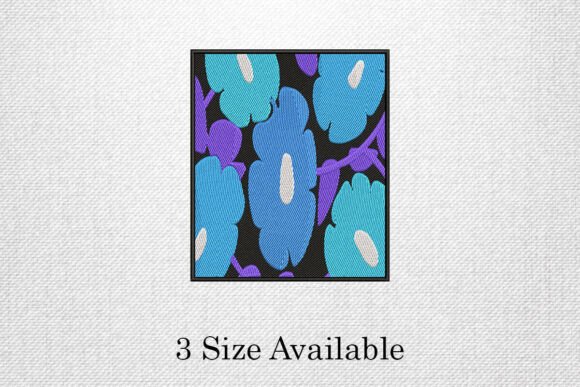
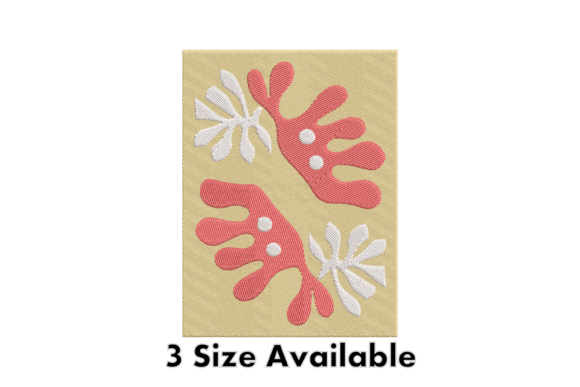
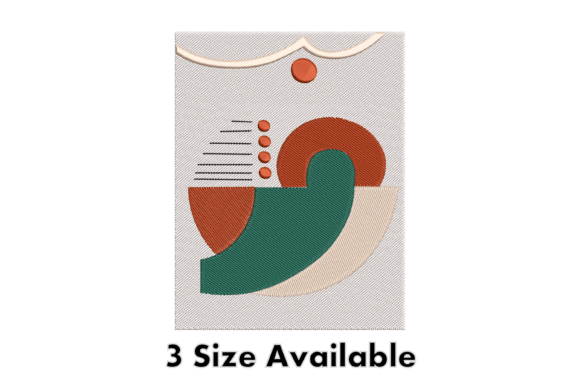
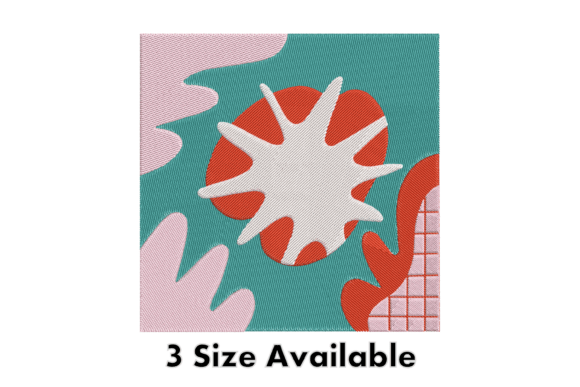
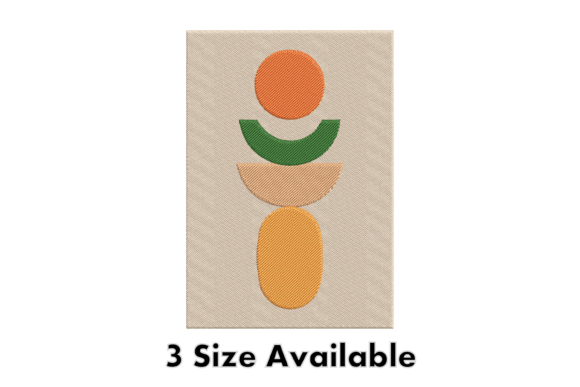
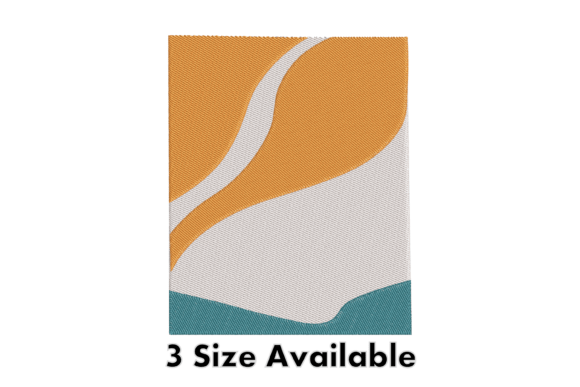
The moment you load the Abstract Color Flow Embroidery Art file into your digitizing software or hoop preview, the aesthetic intent is clear. It belongs firmly in the category of modern Shapes, utilizing fluid lines and dynamic curves to create a sense of movement. Unlike traditional floral or geometric patterns, this design relies on the interplay of color and form to make an impact. The visual mood is contemporary and energetic, making it an excellent candidate for branding or adding a unique flair to basic garments.
From a technical standpoint, the design appears to utilize a mix of stitch types to achieve depth. While the specific breakdown isn't explicitly detailed in the product summary, designs of this nature typically rely heavily on fill stitch to build the body of the shapes and satin stitch for defining edges. The "color flow" aspect suggests that the design is intended to be stitched with multiple thread colors to create gradients or distinct blocks of hue. This makes it versatile for designers looking to experiment with their thread colors without needing complex gradient digitization themselves.
Real-World Application: From Hoop to Finished Product
I decided to test the viability of Abstract Color Flow Embroidery Art by envisioning it on a few specific items from my current project list. The first application that came to mind was a high-quality canvas tote bag design. The sturdy fabric of a tote bag provides a stable surface for abstract art, allowing the bold lines to stand out without distortion. The description notes that this is an upper line machine embroidery file available in three sizes, which is crucial for scaling the design to fit the front panel of a bag perfectly.
Another strong contender for this design is sweatshirt embroidery. Modern streetwear often embraces abstract graphics, and placing this design on the chest or back of a heavy cotton sweatshirt could elevate a plain garment into a boutique-level piece. The fluid nature of the art would complement the relaxed fit of the sweatshirt. However, because sweatshirts are made of textured and sometimes stretchy fabric, careful attention must be paid to the stabilizer used. A tear-away stabilizer might not suffice; a cut-away option would likely provide the necessary support to prevent puckering around the dense areas of the design.
For those creating smaller gifts, this design could work beautifully as an embroidered patch or on a pillow cover. If you are targeting the nursery market, the soft, flowing lines could translate well onto a baby blanket or a personalized gift item, provided the thread choices are gentle and the stitch density isn't too aggressive for delicate fabrics.
Technical Considerations for Professional Results
While the design looks promising, any experienced embroiderer knows that the devil is in the details. When working with abstract designs like Abstract Color Flow Embroidery Art, there are several practical factors to consider before committing to a final run.
- Hoop Size Compatibility: The product mentions availability in three sizes. Always verify these dimensions against your machine's maximum hoop size. If you are using a small hoop, ensure the smallest version of the design doesn't lose critical detail when scaled down further.
- Fabric Choice: This design will perform differently on dark versus light fabrics. On a black t-shirt, you may need a backing layer or a different approach to the underlay to ensure the bright colors pop. Conversely, on white linen, the design might appear more subtle. I always recommend creating a printable mockup in both light and dark scenarios to visualize the contrast.
- Stitch Density and Trimming: Abstract shapes can sometimes result in large areas of fill stitch. High density can lead to stiffness in the finished product, which is undesirable for clothing. Be prepared to trim away excess backing carefully after stitching to maintain the drape of the fabric.
- Test Runs: Never skip the test on scrap fabric. Stitch out the design on a swatch of the actual material you intend to use. Check for registration issues, thread breaks, and whether the "flow" of the design holds up under magnification.
Commercial Viability and Brand Value
For Etsy sellers and small business owners, the value of a digital embroidery file lies in its ability to enhance the perceived value of the finished product. Abstract Color Flow Embroidery Art offers a level of sophistication that separates handmade goods from mass-produced items. Using such a distinctive design can boost buyer trust and engagement, as customers appreciate unique, artistically driven pieces.
This design fits well within a brand identity focused on modern minimalism or artistic expression. It allows for consistent branding across various products, from custom apparel to home decor items like kitchen towels or aprons. When photographing these items for your shop, the vibrant nature of the design should draw the eye immediately, increasing click-through rates. However, remember that the quality of your stitching directly impacts your reputation. If the stitch density causes puckering or the threads break during washing, the initial visual appeal will quickly fade.
Licensing and Final Thoughts
Before purchasing and selling items made with Abstract Color Flow Embroidery Art, it is imperative to review the licensing terms on the Creative Fabrica product page. As a seller, you must understand the boundaries of commercial use. Some licenses allow for unlimited sales of physical goods, while others may have restrictions on the number of items sold or require attribution. Always confirm these details to protect your business.
In conclusion, Abstract Color Flow Embroidery Art is a compelling addition to any designer's library. It offers a fresh, modern aesthetic that works well across a variety of substrates, from tote bags to sweatshirts. Its versatility in size and style makes it a strong asset for creating high-value handmade products. However, success with this design depends on proper preparation—choosing the right stabilizer, testing on scrap fabric, and respecting the technical limitations of your machine. If you are looking to inject some modern energy into your commercial embroidery projects, this design is certainly worth exploring.