Blue Green Floral Embroidery Design Review
As I set up my booth for the upcoming weekend craft fair, the table is a chaotic mix of fabrics, hoops, and half-finished samples. In this environment, every machine embroidery design needs to earn its place on the display. Today, I am putting the Blue Green Floral Embroidery Design through a rigorous real-world test. This isn't just about whether the file downloads correctly; it is about whether this specific floral motif will stop a customer in their tracks, make them pull out their wallet, and turn into a best-selling craft fair product. For any Etsy seller or boutique maker looking to expand their catalog with fresh, nature-inspired items, understanding the practical application of a design like this is crucial before you commit to bulk production.
First Impressions: A Fresh Take on Single Flowers
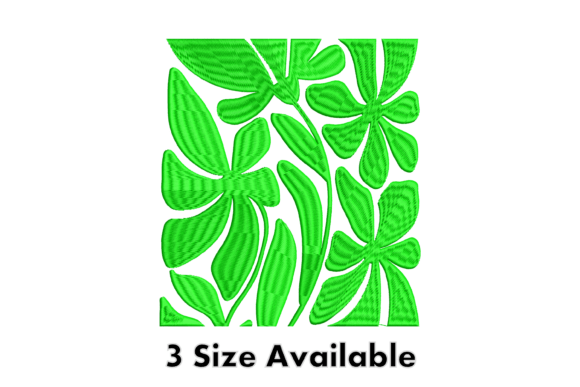
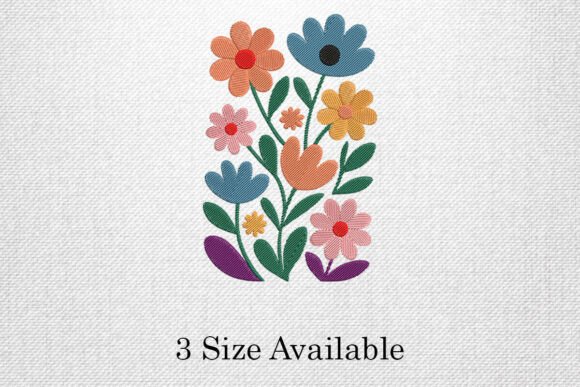
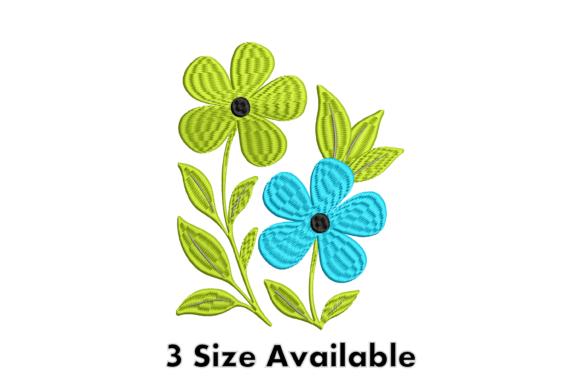
When I first opened the preview of the Blue Green Floral Embroidery Design, the immediate feeling was one of refreshing vibrancy. Unlike the dusty pastels often found in farmhouse decor, this combination of blue and green feels alive. It strikes a balance between modern elegance and rustic charm, making it incredibly versatile. As a Single Flowers category item, it avoids the clutter of complex bouquets while still offering enough visual weight to be a focal point. For a handmade shop owner, this is a significant advantage. The design feels premium without being overly ornate, suggesting that it can elevate simple materials into high-value handmade products.
The color palette is particularly strategic. Blue and green are universally appealing colors that resonate well across different demographics, from young parents looking for baby clothes to homeowners seeking kitchen accents. This broad appeal is exactly what we need when curating a booth display where space is limited and competition is fierce. The design does not scream for attention aggressively; instead, it invites the eye to linger, which is a key factor in increasing buyer engagement at a busy market.
Product Performance: Where Does It Shine?
To truly evaluate the Blue Green Floral Embroidery Design, I have tested it mentally and physically on various substrates. The versatility listed in the description is promising, but let's look at where it actually performs best as a commercial item.
Tote Bags and Market Goods
For the eco-conscious shopper, a canvas tote bag is a staple. Placing this floral motif on a natural cotton tote creates a stunning contrast. The tote bag design works exceptionally well here because the sturdy fabric supports the stitch density without puckering. When hung on a rack at the fair, these bags catch the light beautifully, showcasing the texture of the thread. It transforms a generic utility item into a stylish accessory, significantly boosting the perceived value of the finished product.
Kitchen Textiles: Aprons and Tea Towels
In the kitchen category, apron embroidery and tea towel embroidery are perennial favorites. The Blue Green Floral Embroidery Design fits perfectly into the "modern botanical" trend currently sweeping home decor. On a linen apron, the design adds a professional touch that suggests quality craftsmanship. Similarly, on kitchen towels, the floral element adds a pop of color against neutral backgrounds. However, one must be mindful of the fabric texture; thicker towels may require a slightly larger hoop size to ensure the machine captures all the details accurately.
Patches and Small Accessories
Creating an embroidered patch from this design is another viable option for small shops. Patches are low-risk inventory items that allow customers to customize their own jackets or hats. The compact nature of a single flower makes it ideal for this format. Additionally, applying this design to small fabric pouches or caps offers a great way to sell lower-priced impulse buys, which are essential for keeping cash flow moving during a weekend market.
Production Realities and Practical Considerations
While the aesthetic potential is high, the success of any commercial embroidery project depends on execution. As an experienced designer, I know that a beautiful digital file can fail if the physical parameters aren't respected. Here are the critical points to consider before mass-producing items featuring the Blue Green Floral Embroidery Design.
Stitch Density and Fabric Choice
Floral designs often contain dense areas where petals overlap. If you are using thick fabrics like heavy denim or terry cloth for towels, you must verify the stitch density. Too much thread on a textured surface can cause the fabric to pucker, ruining the look of your small shop product. Always test the design on scrap fabric first. Check how the threads lay and adjust your tension settings if necessary. Using the right stabilizer is non-negotiable; it provides the foundation needed to keep those delicate blue and green petals crisp and defined.
Scale and Visibility
This design is intended to be seen. While it can work as a small accent, its true selling power lies in being a focal point. At a craft fair, customers scan tables quickly. A tiny version of this flower might get lost in the background. Ensure your hoop size allows the design to breathe. If you are producing pillow covers or large quilts, consider scaling the design up to make a statement. Conversely, if you are placing it on a baby onesie, ensure the details remain clear and do not become muddy due to excessive shrinking of the scale.
Color Contrast and Thread Selection
The magic of this design lies in the interplay between blue and green. However, the final look depends heavily on the base fabric color. On dark fabrics, lighter shades of blue and green will pop, but you may need more layers to achieve opacity. On light fabrics, the colors will appear softer and more pastel. As an Etsy seller, creating a printable mockup for each fabric variation is essential for your online listings. Customers cannot feel the thread, so your photos must accurately represent the thread colors and the depth of the embroidery.
Strategic Advice for Sellers and Makers
If you are planning to use the Blue Green Floral Embroidery Design for your business, treat it as a serious asset. Before you list your products, confirm your commercial licensing terms. Many digital embroidery files have restrictions on how many finished items you can sell. Ignoring this can lead to legal issues that could shut down your operation. Always read the license agreement provided with your embroidery file.
Furthermore, consistency is key to building a brand. If you decide this design is part of your signature style, create a cohesive collection. Pair the embroidered tote bags with matching pillow covers and tea towels. This approach encourages higher order values as customers want to buy the whole "look." When setting up your booth, group these items together to create a strong visual impact. A wall of coordinated blue and green floral items is far more attractive than scattered, unrelated pieces.
Finally, remember that the Blue Green Floral Embroidery Design is a tool, not a guarantee of sales. Its success depends on your ability to present it effectively. Test your stitches, photograph your work in natural light, and choose fabrics that complement the thread. By paying attention to these details, you transform a simple Embroidery pattern into a profitable, high-quality product that stands out in the crowded handmade market.
- Test First: Always run a sample on your intended fabric to check for puckering and clarity.
- Check Licensing: Verify you have the right to sell finished goods made from this design assets.
- Optimize Scale: Ensure the flower is large enough to be appreciated by passing shoppers.
- Focus on Presentation: Use consistent branding and display techniques to highlight the handmade quality.
- Vary Fabrics: Offer the design on different textures like canvas, linen, and cotton to broaden your appeal.
In conclusion, the Blue Green Floral Embroidery Design offers a fantastic opportunity for creative entrepreneurs to add fresh, vibrant items to their inventory. With careful production planning and smart marketing, this single flower can become a cornerstone of your next successful craft fair season.